Running Nutrition Basics
Running is a weight-bearing activity with higher mechanical stress than cycling or swimming. GI sensitivity during running is more common than in other endurance sports, which affects fueling choices during longer efforts.
Before a Run
For runs under 60 minutes, most people do fine with whatever they last ate, provided it was a few hours prior and not excessively high in fat or fiber. Early morning runners often train fasted without performance problems at moderate intensity. Longer runs warrant a small carbohydrate-focused meal or snack two to three hours before starting.
During a Run
Runs under about 75 minutes generally do not require in-run fueling beyond water in moderate conditions. Beyond this point, carbohydrate intake during the run can support maintained pace and delayed fatigue. Tolerance is individual. Some runners handle gels well; others find solid food or chews more comfortable. Testing in training before relying on any strategy in a race is consistently recommended in sports dietetics literature.
Half-Marathon Fueling
A half-marathon typically takes recreational runners between 1.5 and 2.5 hours to complete. This duration places it firmly in the range where carbohydrate intake during the event has a physiological basis. General guidance from endurance research suggests aiming for 30 to 60 grams of carbohydrate per hour during events of this length. Real-food options including bananas, dates and rice cakes are used by many recreational runners and have appeared in endurance nutrition research. The key variables are carbohydrate content, digestibility at race pace, and individual tolerance developed through training.
After a Run
Post-run nutrition follows the same general principles as other endurance activities. A meal containing both protein and carbohydrate within a few hours supports glycogen resynthesis and muscle repair. The exact timing is less critical for runners who train once per day than for those with multiple daily sessions.

Cycling Nutrition Basics
Cycling is a non-impact sport that generally allows for easier in-ride eating than running. The seated position and lower mechanical stress on the gut mean cyclists can often tolerate more substantial food during longer efforts.
Before a Ride
For rides under an hour, normal pre-exercise eating principles apply. Longer rides, particularly those extending beyond two hours, benefit from deliberate pre-ride carbohydrate intake. A meal containing carbohydrate-rich foods two to three hours before a long ride is a common approach. For early morning rides, a smaller snack 30 to 60 minutes before is an alternative.
During a Ride
Cycling's non-impact nature means many cyclists can eat real food during rides. Bananas, rice cakes, energy bars and sandwiches are all used by recreational cyclists on longer rides. The carbohydrate targets from endurance research apply here as in running: roughly 30 to 60 grams per hour for rides exceeding 60 to 75 minutes. Longer rides may benefit from higher intake, though gut tolerance becomes a limiting factor at higher carbohydrate rates.
Hydration on the Bike
Cycling in warm conditions can produce significant sweat rates. Fluid intake during riding is important, and the combination of fluid and carbohydrate in sports drinks can be practically convenient for rides where both are needed. In cooler conditions or shorter rides, water is typically sufficient.
After a Ride
Recovery nutrition after cycling follows general endurance principles. Glycogen resynthesis is supported by carbohydrate intake in the hours following a ride. Protein intake supports muscle repair. For cyclists training on consecutive days, the timing of post-ride carbohydrate intake becomes more relevant than for those with full rest days between sessions.

Swimming Nutrition Basics
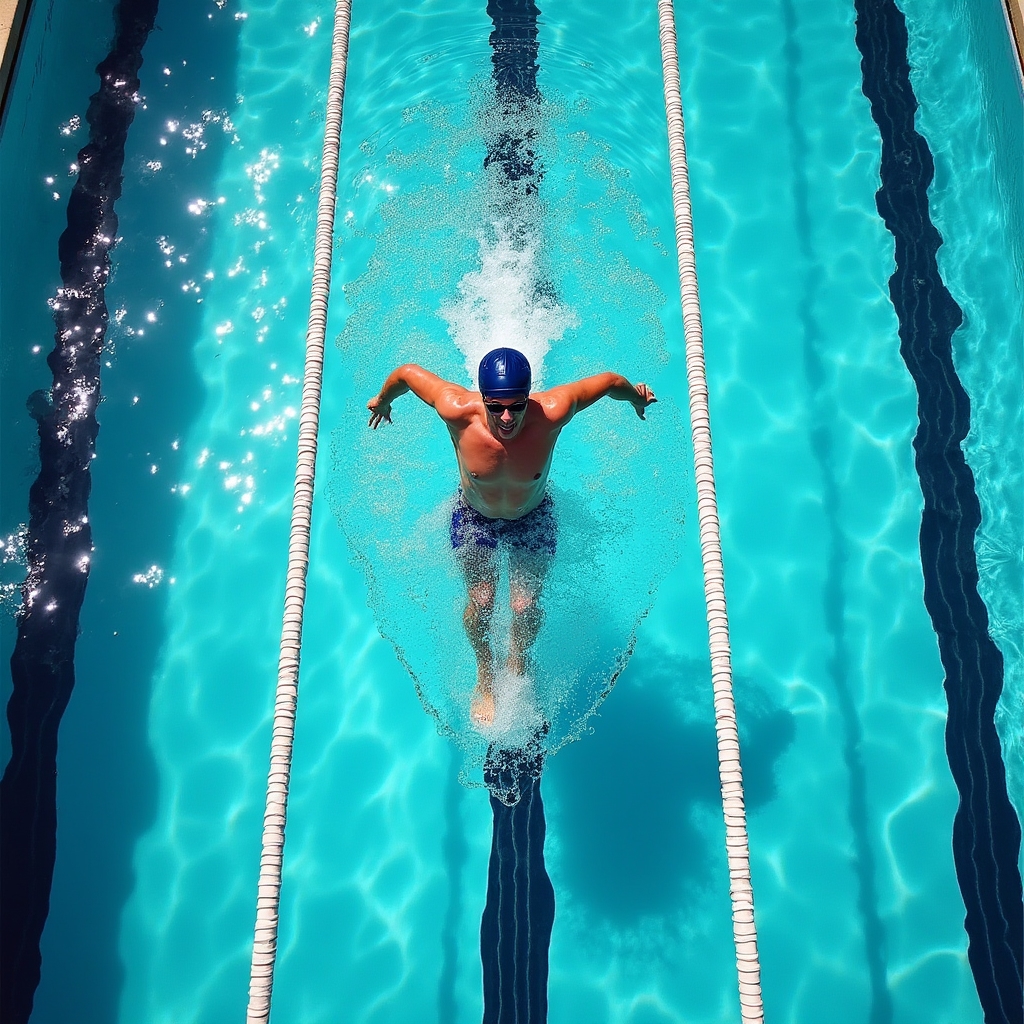
Swimming presents some unique nutritional considerations. The aquatic environment masks sweat perception, which can make hydration monitoring less intuitive. Pool temperatures affect thermoregulation differently than outdoor sports.
Before Swimming
GI discomfort during swimming is less common than in running but can still occur with heavy food intake close to a session. A two-hour gap between a larger meal and a swim session is a reasonable general approach. For early morning lane swimmers, a small snack or even fasted training at moderate intensity is commonly practiced without apparent detriment.
Hydration for Swimmers
Swimmers sweat less than runners or cyclists in comparable conditions, but they do sweat, particularly in warm pools. The absence of visible sweat and the cooling effect of water can lead to underestimating fluid needs. Drinking water before and after pool sessions, and during longer sessions when possible, is a reasonable practice.
Fueling Longer Swim Sessions
For recreational swimmers completing sessions under 60 minutes, in-session fueling is generally not necessary. Masters swimmers or triathletes completing longer pool sessions may benefit from carbohydrate intake during breaks. Practical options for poolside fueling include bananas, sports drinks or gels consumed at rest intervals.
After Swimming
Post-swim appetite suppression has been noted in research, with some studies suggesting swimming may blunt appetite more than land-based exercise. This is worth being aware of from a recovery nutrition perspective. Ensuring adequate post-swim eating, even if appetite is reduced, supports glycogen resynthesis and the protein synthesis process initiated by the training stimulus.
Fueling a Half-Marathon on Real Food
A half-marathon is long enough to require deliberate fueling but short enough that many recreational runners complete it on relatively simple nutrition strategies. The event duration places it in the range where carbohydrate intake during the race has a clear physiological basis.
Real food options that have appeared in endurance nutrition contexts include:
The most important variable is individual tolerance, which is best established through practice in training rather than on race day. Any fueling strategy, whether gel-based or real-food-based, should be tested during long training runs before relying on it in an event.