Evidence-based nutrition knowledge for recreational runners, cyclists and swimmers. Grounded in published sports science. No meal plans, no personalized counseling.
Timing and composition of pre-exercise eating varies by session length and intensity. A short swim needs different preparation than a two-hour bike ride. Science helps clarify what actually matters.
Recovery nutrition is often overcomplicated. What published studies consistently show is that total daily intake matters far more than hitting a narrow post-workout window.
The "anabolic window" concept generated significant research interest. The current picture is more nuanced. Total daily protein intake appears to be the more meaningful variable for most recreational athletes.
Products marketed for athletic performance are not always necessary. Understanding when carbohydrate supplementation has a physiological basis helps you make informed decisions rather than marketing-driven ones.
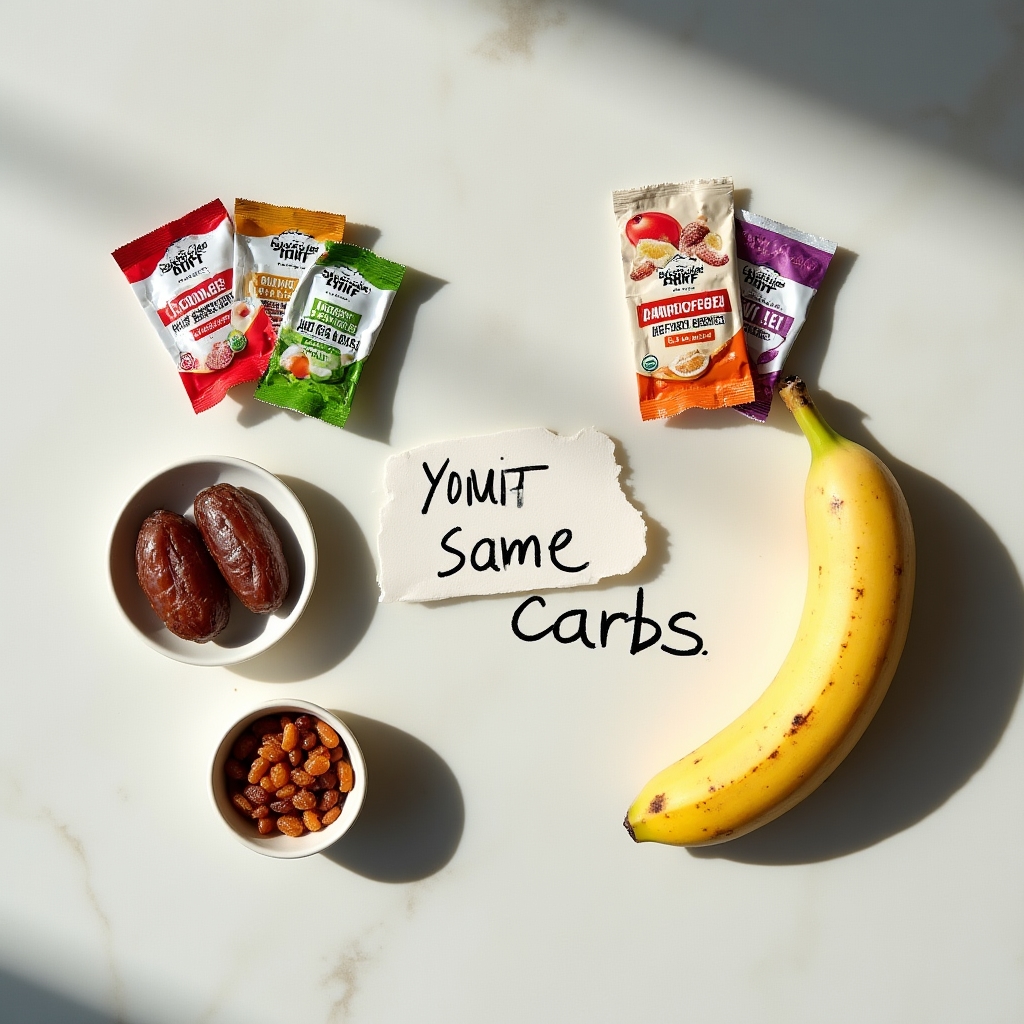
Packaged gels are one option. They are not the only option. Bananas, dates, boiled potatoes and rice balls have all appeared in endurance research and athlete practice. The key variables are digestibility, carbohydrate content and personal tolerance. This section walks through what published literature says about real-food fueling strategies for events in the two-hour range.
Every claim on this site traces back to peer-reviewed sports science or established academic nutrition bodies. We describe what research shows. We do not translate that into personalized advice.
This is not content written for elite competitors. It addresses the nutritional questions that come up when you run three times a week, cycle on weekends or swim before work.
Multiple systematic reviews have examined whether consuming protein immediately after exercise produces meaningfully different outcomes than consuming the same amount throughout the day. For recreational athletes eating adequate total protein, the timing effect appears modest. The practical implication: focus on consistent daily intake before worrying about the post-workout shake.
Carbohydrates and Exercise Duration
Research on exogenous carbohydrate use during exercise generally shows performance benefits for sessions exceeding roughly 60 to 75 minutes. Below that threshold, glycogen stores in a well-nourished athlete are typically sufficient. This is why a sports drink during a 40-minute jog is nutritionally unnecessary for most people.
From the Knowledge Base
Recent Explainers
Race Nutrition
Fueling a Half-Marathon Without a Single Gel
Packaged gels are convenient, not compulsory. This explainer covers what carbohydrate sources are used in endurance research and how real-food alternatives compare on the variables that matter during a race.
Hydration
When Does Hydration Strategy Actually Matter?
Sweat rate, electrolyte loss and exercise duration all interact. For short sessions, plain water is usually adequate. Longer or hotter sessions introduce variables worth understanding before your next long ride or run.
Pre-Workout
The Pre-Workout Meal: Timing, Composition and Common Misunderstandings
Eating too close to exercise can cause discomfort. Eating too far in advance may leave glycogen partly depleted. Research offers some useful guidance on composition and timing windows worth knowing.
Race Nutrition
Fueling a Half-Marathon Without a Single Gel
The sports nutrition product industry has done an effective job of associating endurance events with packaged gels and chews. This is understandable from a commercial perspective. It is less clear that gels represent a nutritional necessity for recreational half-marathon runners.
What matters physiologically during a half-marathon is maintaining blood glucose and sparing muscle glycogen. Any digestible carbohydrate source can accomplish this. The variables worth comparing are carbohydrate density, digestibility during exercise, and practical portability.
Bananas provide roughly 23 grams of carbohydrate per medium fruit, primarily as fructose and glucose. They are soft, require no water to consume, and have appeared in endurance athlete practice for decades. Medjool dates offer approximately 18 grams per date with a similar carbohydrate profile. Boiled baby potatoes with a small amount of salt have been used in ultra-endurance contexts and provide carbohydrate alongside sodium, which supports fluid retention.
Research on real-food fueling during endurance exercise is less commercially funded than gel research, but the available studies do not suggest that processed gels produce meaningfully superior glycogen-sparing effects compared to equivalent carbohydrate from whole food sources, provided the food is well-tolerated by the individual.
The practical challenge is tolerance. Some athletes find solid food harder to process while running at race pace. This is individual and worth testing in training, not on race day. Starting with small amounts at a familiar pace and noting gut response is the standard approach recommended in sports dietetics literature.
A general framework from published guidance: aim for roughly 30 to 60 grams of carbohydrate per hour during events lasting longer than 75 minutes. Whether that comes from a gel, a banana or a date is secondary to whether you can consume it comfortably and consistently.
Hydration
When Does Hydration Strategy Actually Matter?
Hydration advice in popular fitness media often swings between extremes. Some sources suggest drinking constantly throughout any workout. Others have pushed back with concerns about overhydration. Published sports science offers a more measured picture.
For exercise sessions under about 60 minutes in moderate temperatures, most people begin adequately hydrated and lose fluid at a rate that does not significantly impair performance or wellbeing. Drinking to thirst during short sessions is a reasonable approach supported by current consensus documents from bodies including the American College of Sports Medicine.
Session duration and environmental heat change the equation. Sweat rates increase substantially in warm or humid conditions. Sessions exceeding 60 to 90 minutes in heat can produce fluid deficits that affect cardiovascular efficiency and perceived effort. In these contexts, a more deliberate approach to fluid intake during exercise has a stronger evidence base.
Electrolytes, particularly sodium, become relevant in longer or hotter sessions. Sodium helps maintain plasma osmolality and supports the drive to drink. Sports drinks containing sodium and carbohydrate have a documented role in sessions where both fluid and fuel replacement are needed simultaneously. For a 45-minute swim in a climate-controlled pool, the same drink is adding sugar without a corresponding physiological benefit.
Pre-hydration matters more than most recreational athletes realize. Arriving at a long training session or race already mildly dehydrated creates a deficit that is difficult to correct during exercise. Monitoring urine color in the hours before a long session is a practical and well-validated indicator.
Pre-Workout
The Pre-Workout Meal: Timing, Composition and Common Misunderstandings
Pre-exercise nutrition generates a lot of conflicting advice. Eat two hours before. Eat 30 minutes before. Fast for better fat burning. Carb-load the night before. The research picture is more specific than these general rules suggest.
The primary goal of pre-exercise eating for most recreational sessions is to ensure adequate glycogen availability without causing gastrointestinal discomfort during the workout. These two goals are sometimes in tension.
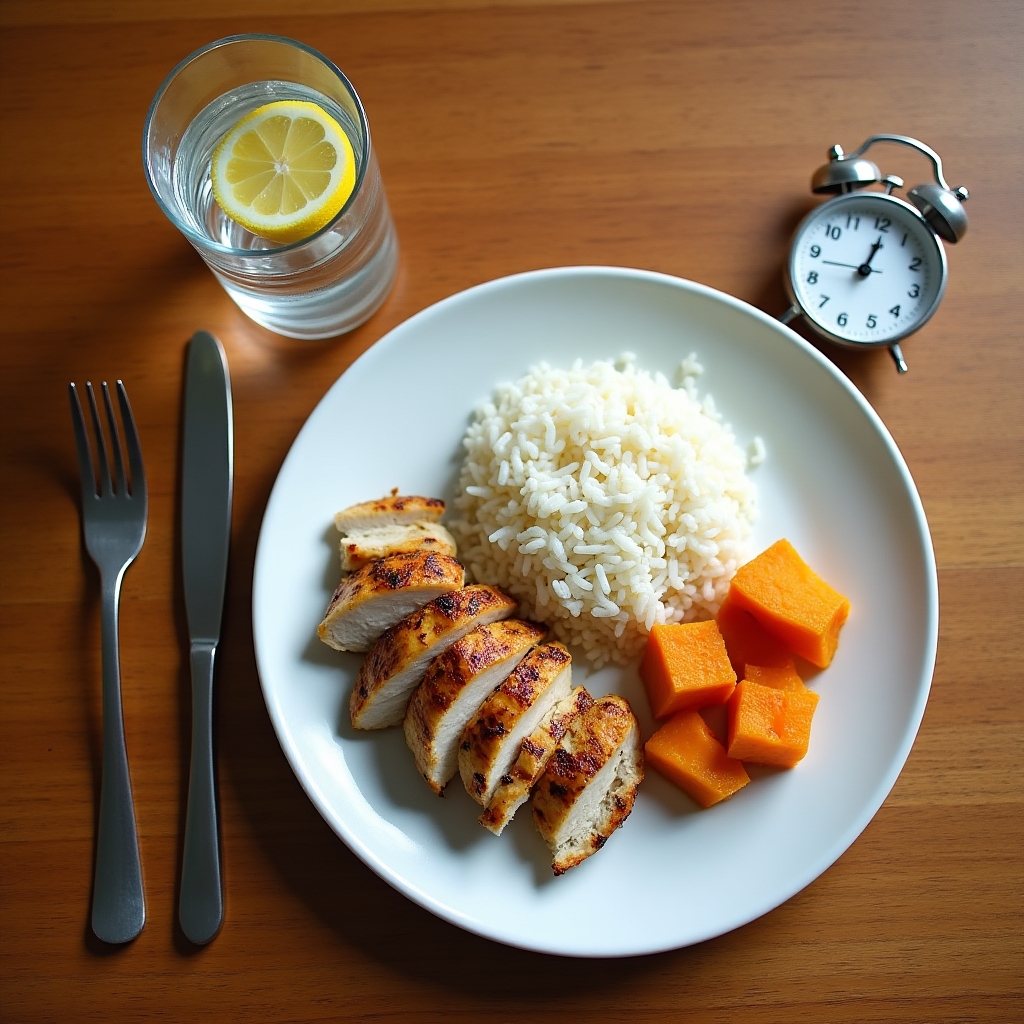
Timing affects both. A larger meal consumed two to four hours before exercise gives the body time to digest and allows blood glucose to normalize before the session begins. A smaller snack 30 to 60 minutes before exercise can top up energy availability with less digestive burden. Both approaches are used in practice and supported in the literature depending on individual tolerance and session type.
Composition matters differently depending on session length. For shorter sessions under 60 minutes, the pre-workout meal has less impact on performance, and many athletes train comfortably in a post-breakfast fasted state without measurable detriment. For sessions over 90 minutes, ensuring carbohydrate availability beforehand has a clearer evidence base.
Fat and fiber slow gastric emptying, which is relevant for athletes prone to mid-workout GI distress. High-fat, high-fiber meals close to exercise are associated with increased discomfort in some individuals. This is not a reason to avoid fat and fiber in general, only a consideration for meal timing relative to training.
Protein in the pre-workout meal does not appear to provide acute performance benefits in the way carbohydrate does, but it contributes to daily protein totals and may support muscle protein synthesis in the hours following exercise.